What is a CDL and Who Needs It?
Since 1992, the U.S. Department of Transportation has required certain commercial drivers to carry a Commercial Driver’s License (CDL). A CDL applies to drivers who:
- Drive vehicles weighing 26,001 lbs (11,794 kg) or more
- Tow trailers over 10,000 lbs as part of a larger combination
- Transport 16 or more passengers, including the driver
- Haul hazardous materials in placarded quantities
These rules ensure that only properly trained and licensed drivers operate large or dangerous vehicles
| CDL Class | Vehicle Type |
|---|---|
| Class A | Any combination of vehicles with a gross combination weight rating (GCWR) of 26,001 lbs or more, provided the vehicle(s) being towed are over 10,000 lbs. |
| Class B | Any single vehicle with a GVWR of 26,001 lbs or more, or towing a vehicle not in excess of 10,000 lbs. |
| Class C | Any vehicle that does not meet Class A or B definitions, but is designed to transport 16 or more passengers (including the driver), or used to transport hazardous materials. |
Who Gets Exemptions from CDL?
FMCSA allows certain exemptions under 49 CFR §383.3, such as:
- Emergency vehicle drivers (e.g., firefighters)
- Snowplow operators during emergencies
- Farm vehicle operators within 150 air-miles on farm duty
Why Does CDL Matter Beyond Licensing?
Holding a CDL triggers important safety rules, including:
- Drug & alcohol testing under DOT
- Driver qualification standards
- Hours-of-service limits and vehicle maintenance rules
Non-CDL drivers are not subject to these stringent regulations
CDL Endorsements: What You Need to Know
Depending on cargo type, drivers may need special endorsements:
- P – Passenger vehicles (e.g., shuttles, buses)
- S – School buses
- N – Tank vehicles
- T – Double/triple trailers
- H – Hazardous materials
Endorsements ensure drivers have specific training for the risks involved.
How the FMCSA Clearinghouse Affects CDLs
The FMCSA Clearinghouse is a real-time database tracking drug/alcohol violations among CDL holders.
Here’s what Impact Phase II brings:
- Starting Nov 18, 2024, any CDL/CLP holder in a “prohibited” status must have their license downgraded by state agencies
- As of April 1, 2025, more than 184,000 drivers held a prohibited status
- More than 80% of violations are due to positive drug tests.
- Once downgraded, a driver must complete a Return-to-Duty (RTD) program—assessment, treatment, and negative testing—before state agencies can reinstate the CDL
Why This Matters to You
- For Employers: You must verify CDL status and Clearinghouse records before hiring or allowing a driver to operate a CMV.
- For Drivers: Failing or refusing a test can trigger a “prohibited” status and immediate license downgrade—this could cost your career.
CDL Takeaway
If you drive heavy equipment, carry passengers, or haul hazardous materials, you need the right CDL and endorsements. And with Clearinghouse Phase II rules in effect, a drug or alcohol violation means more than just fines—it could mean losing your license unless you complete the RTD process.
- 184,000+ drivers listed as “prohibited” as of April 1, 2025
- 142,725 of them haven’t started the Return-to-Duty process
These numbers underline how vital it is to stay informed, compliant, and proactive about driver testing and licensing.
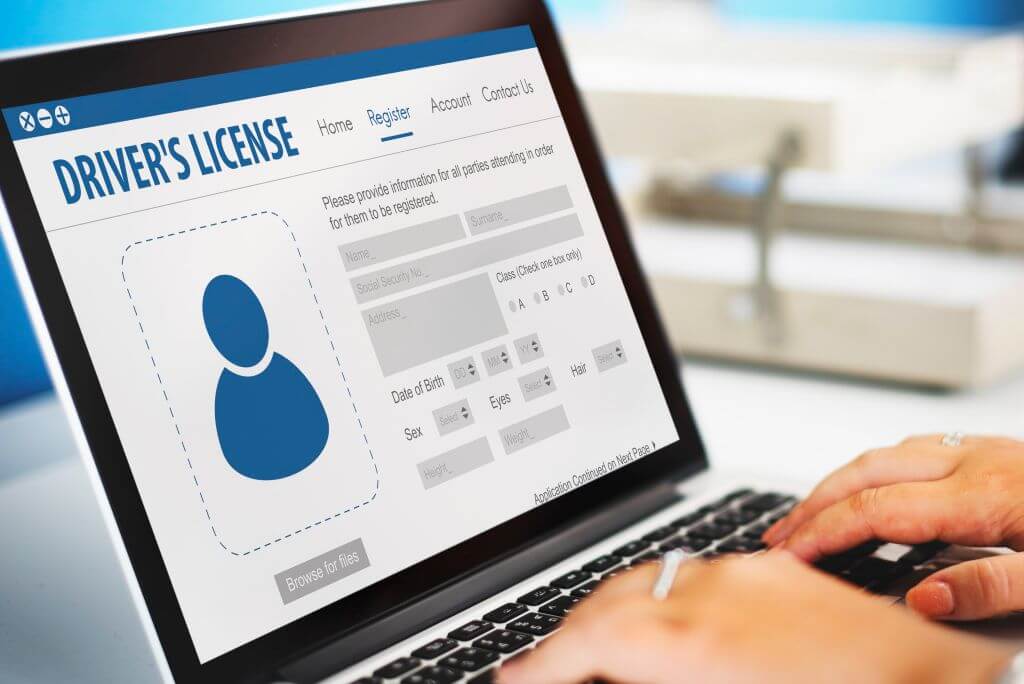
Image by rawpixel.com on Freepik