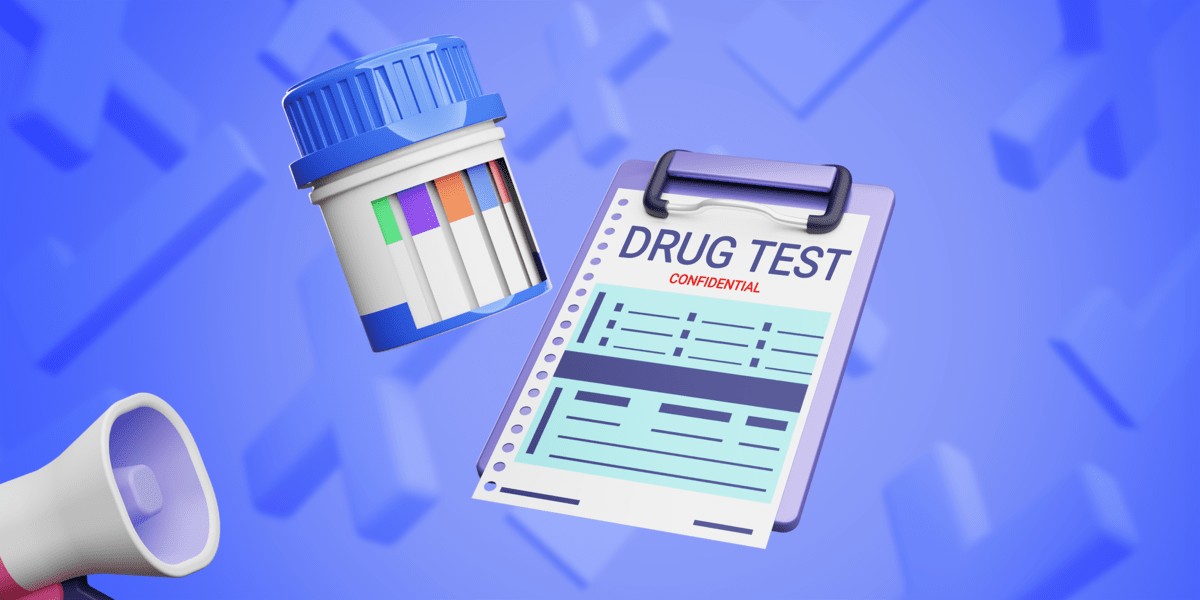
Two random-testing mistakes show up again and again in DOT programs. In the first, an employer sends a driver for a “random” test even though that driver was never on the random selection list. In the second, a driver is correctly selected for a random drug test (drug test only) , but the employer sends him for both a drug and an alcohol test.
Both feel like small administrative slips. They are not. Each one puts the employer in the position of using federal testing authority it doesn’t have, and the consequences range from audit findings to a lawsuit over a positive result that may not hold up.
The core rule: a DOT test needs a DOT reason
A test is only a DOT test when a DOT-authorized reason stands behind it. Under 49 CFR 40.13 and the modal rules (Part 382 for FMCSA-regulated motor carriers), an employer can use federal authority, the DOT Custody and Control Form or Alcohol Testing Form, and DOT consequences only for the test reasons the regulations allow.
For random testing, that reason is a valid selection. Calling a test “random” doesn’t make it one. If the driver wasn’t selected, or wasn’t selected for that type of test, the employer has used DOT authority it didn’t have.
Mistake 1: Testing a driver who wasn’t selected
If the driver wasn’t on the list, the test isn’t a valid DOT random test. Section 382.305 requires selection by a scientifically valid method that gives every covered driver an equal chance of being picked. A driver the employer chose isn’t random by definition.
The regulatory exposure
The driver who actually was selected sometimes never gets tested. Unless there’s a documented, legitimate reason (such as extended leave), that’s a missed selection. Enough of them can push the employer below the minimum annual testing rates, and FMCSA auditors write this up as a 382.305 violation. Civil penalties are possible under 382.507.
The MIS data is also wrong if the mistaken test gets counted as a random. That overstates the employer’s compliance and can hide a real shortfall.
When the result comes back positive
This is where the real risk lies. Picture an employer that removes a driver from safety-sensitive duty and reports him to the FMCSA Drug & Alcohol Clearinghouse, all based on a test that had no DOT authority behind it.
The driver’s attorney now has a strong argument that the violation shouldn’t stand. That can lead to wrongful termination, defamation, or state privacy claims, plus a grievance if there’s a collective bargaining agreement. Section 382.717 limits Clearinghouse petitions to administrative errors rather than disputes over test accuracy. But, even without a valid reason for test, the DOT is unlikely to overturn a positive result.
Why the “wrong” driver gets sent
Often, a supervisor has concerns about a particular driver, and random testing looks like a quiet way to check. That’s the worst possible fact pattern in litigation, because it looks like targeting.
If a supervisor has specific, observable concerns, the right tool is a reasonable suspicion test under 382.307. That test requires observations by a trained supervisor, documented in writing. Random testing is not a substitute.
Sometimes the cause is innocent, like two drivers with similar names. That’s still a problem, but it’s far easier to defend when the error is caught quickly, documented, and the correct driver is tested within the selection period.
Mistake 2: Selected for drugs, tested for drugs and alcohol
In this case, the drug test is valid. The alcohol test is not, because the driver wasn’t selected for alcohol. FMCSA’s random drug rate (50%) and random alcohol rate (10%) are separate obligations, and a drug selection doesn’t carry alcohol authority with it.
Consequences built on an unauthorized test
If the alcohol result is 0.04 or higher, the employer faces the same problem as Mistake 1. Removal from duty, a Clearinghouse report, and the return-to-duty process would all rest on a test with no DOT basis. A result between 0.02 and 0.039 triggers the 24-hour removal under 382.505, which rests on the same shaky ground.
The timing problem
Section 382.305(m) allows random alcohol tests only just before, during, or just after a driver performs safety-sensitive functions. Random drug tests have no such restriction. Because the employer is following drug-test logistics, the unselected alcohol test is often also conducted outside the permitted window. That compounds the error.
Inflated alcohol numbers
Counting these extra alcohol tests toward the 10% rate overstates compliance. Over a year, that can mask a real shortfall in the alcohol selections that were actually supposed to be completed. Note that an employer can select randoms at more than 50% for drug and 10% for alcohol. Those are minimums, but the selections must be statistically random.
What to do if it already happened
If you discover either mistake, act quickly and put everything in writing.
- Treat the improper test as not a valid DOT random test, and exclude it from your MIS counts.
- Test the driver who was actually selected within the same selection period, or document why that isn’t possible.
- Write a memo to file describing what happened and what you did to correct it.
- If the improper test produced a positive, a refusal, or an alcohol result of 0.02 or higher, stop and get guidance from ODAPC or FMCSA and from your C/TPA before reporting to the Clearinghouse or taking adverse action.
- Find the cause. Was it a clerical mix-up, a misunderstood notice, or a supervisor trying to test someone for cause?
How to prevent it
Most of these errors start with an unclear selection notice. Every notice to the Designated Employer Representative (DER) should name the specific driver and state the test type: drug, alcohol, or both. That leaves no room for guesswork at the collection site.
DERs and supervisors also need to understand the difference between random and reasonable suspicion testing. When a supervisor is worried about a driver, the answer is trained observation and documentation under 382.307, not an unofficial “random.”
The bottom line
Random testing only protects an employer when it is actually random and actually authorized. Testing the wrong driver, or adding a test type the driver wasn’t selected for, turns a routine compliance task into regulatory and legal exposure.
If you’re not sure your selection and notification process would hold up in an audit, or you’re dealing with one of these situations now, InOut Labs can help. Contact us to review your random testing program.